The Importance of Good Communication Skills in Daily Life
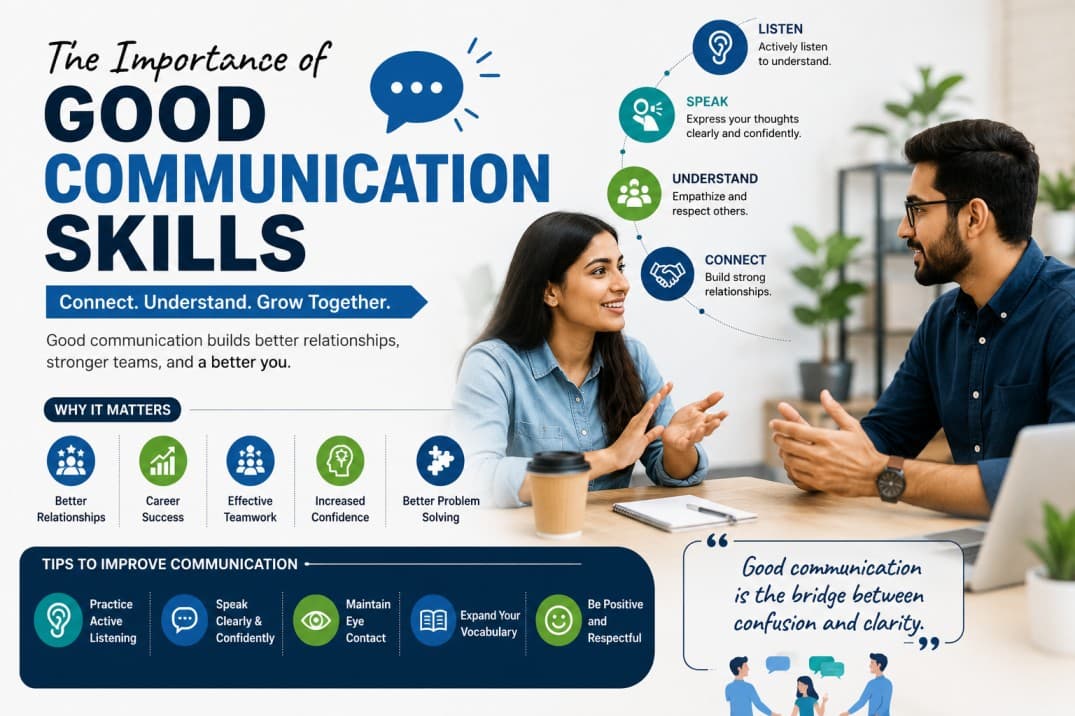
Communication skills are one of the most important abilities for success in personal and professional life. In today’s modern world, people interact constantly through conversations, meetings, social media, digital platforms, and workplace communication systems. Strong communication skills help individuals express ideas clearly, build better relationships, and improve confidence in everyday situations.
Good communication is not only about speaking — it also includes listening, understanding emotions, body language, and presenting thoughts effectively. People with strong communication abilities often perform better in workplaces, education, leadership roles, and social interactions.
In 2026, communication skills continue becoming more valuable because businesses and organisations increasingly depend on teamwork, online collaboration, and digital communication systems.
What are Communication Skills?
Communication skills refer to the ability to exchange information, thoughts, and ideas clearly and effectively.
Important communication methods include:
Verbal communication Non-verbal communication Written communication Listening skills Presentation skills Digital communication
Effective communication helps reduce misunderstandings and improves relationships in both personal and professional environments.
Strong communication also improves confidence and decision-making abilities.
Importance of Communication in Daily Life
Communication affects almost every part of life, including family relationships, friendships, education, and workplaces.
Benefits of good communication include:
Better understanding Stronger relationships Increased confidence Improved teamwork Better problem-solving Reduced conflicts
People who communicate clearly often create more positive social and professional connections.
Good communication also supports emotional understanding and mutual respect.
Communication Skills in Professional Life
Communication is one of the most valuable workplace skills.
Workplace Benefits
Strong communication helps professionals:
Present ideas effectively Work better in teams Improve leadership abilities Build client relationships Solve workplace problems efficiently
Employees with good communication skills often receive better career opportunities and professional growth.
Modern workplaces depend heavily on collaboration and clear communication.
Leadership and Public Speaking
Leaders must communicate goals, ideas, and responsibilities effectively.
Good leaders often demonstrate:
Clear speaking Active listening Confidence Emotional intelligence
Presentation and public speaking skills are increasingly important in business environments.
Importance of Listening Skills
Listening is a major part of effective communication.
Benefits of Active Listening
Good listening helps people:
Understand others better Reduce misunderstandings Build trust Improve relationships
Active listening means giving full attention during conversations instead of simply waiting to respond.
People who listen carefully often communicate more effectively and respectfully.
Listening skills improve teamwork, customer service, and personal relationships.
Non-Verbal Communication
Communication is not limited to words alone.
Non-verbal communication includes:
Facial expressions Eye contact Body language Gestures Tone of voice Importance of Body Language
Positive body language helps:
Build confidence Improve first impressions Show respect and interest Improve social interaction
Non-verbal communication often influences how messages are understood.
Strong body language supports more effective communication overall.
Digital Communication in Modern Life
Technology has transformed communication significantly.
People now communicate through:
Emails Video calls Social media Messaging apps Online meetings Benefits of Digital Communication
Digital communication provides:
Faster information sharing Global connectivity Flexible collaboration Remote communication opportunities
Businesses and professionals increasingly rely on online communication systems for teamwork and productivity.
Digital communication skills are becoming essential in modern careers.
Communication Skills for Students
Students benefit greatly from strong communication abilities.
Educational Benefits
Good communication helps students:
Participate confidently in class Improve presentations Work better in group projects Build leadership skills
Communication also improves learning experiences and social confidence.
Students with strong speaking and writing skills often perform better academically.
Online learning platforms also require effective digital communication skills.
Building Better Communication Habits
Communication skills can improve through regular practice and self-awareness.
Tips to Improve Communication
People can improve communication by:
Practicing active listening Speaking clearly and confidently Maintaining eye contact Expanding vocabulary Improving writing skills Managing emotions during conversations
Confidence and consistency help improve communication abilities over time.
Self-improvement and practice are important for developing strong interpersonal skills.
Mental Health and Communication
Healthy communication positively affects emotional well-being and relationships.
Emotional Benefits
Good communication helps:
Reduce stress Improve emotional understanding Build supportive relationships Increase confidence
Poor communication can lead to misunderstandings, frustration, and emotional stress.
Open and respectful communication supports healthier personal and professional environments.
Future Trends in Communication
Communication methods continue evolving rapidly through technology and digital innovation.
Important trends in 2026 include:
AI-Powered Communication Tools
Artificial Intelligence is improving translation, messaging, and customer support systems.
Virtual Collaboration
Remote work and digital meetings continue increasing worldwide.
Social Media Communication
Short-form content and online interaction continue influencing communication styles.
Global Digital Connectivity
Technology allows people to communicate instantly across countries and cultures.
The future of communication will become more digital, interactive, and globally connected.
Importance of Confidence in Communication
Confidence is essential for effective communication.
Confident communication helps people:
Express ideas clearly Participate actively Build leadership abilities Improve social interaction Building Communication Confidence
People can improve confidence by:
Practicing regularly Preparing before presentations Learning from feedback Maintaining positive body language
Confidence grows gradually through experience and consistent effort.
Strong communication confidence supports both personal and professional success.
Conclusion
Communication skills are essential for building relationships, improving confidence, achieving career success, and maintaining positive social interactions. Effective speaking, listening, writing, and digital communication all contribute to better personal and professional growth.
As technology continues changing communication methods in 2026, strong communication abilities remain one of the most valuable life skills. Continuous learning and regular practice help individuals become more confident and successful communicators.
Good communication creates stronger connections, better understanding, and greater opportunities in everyday life.